Public Consultation
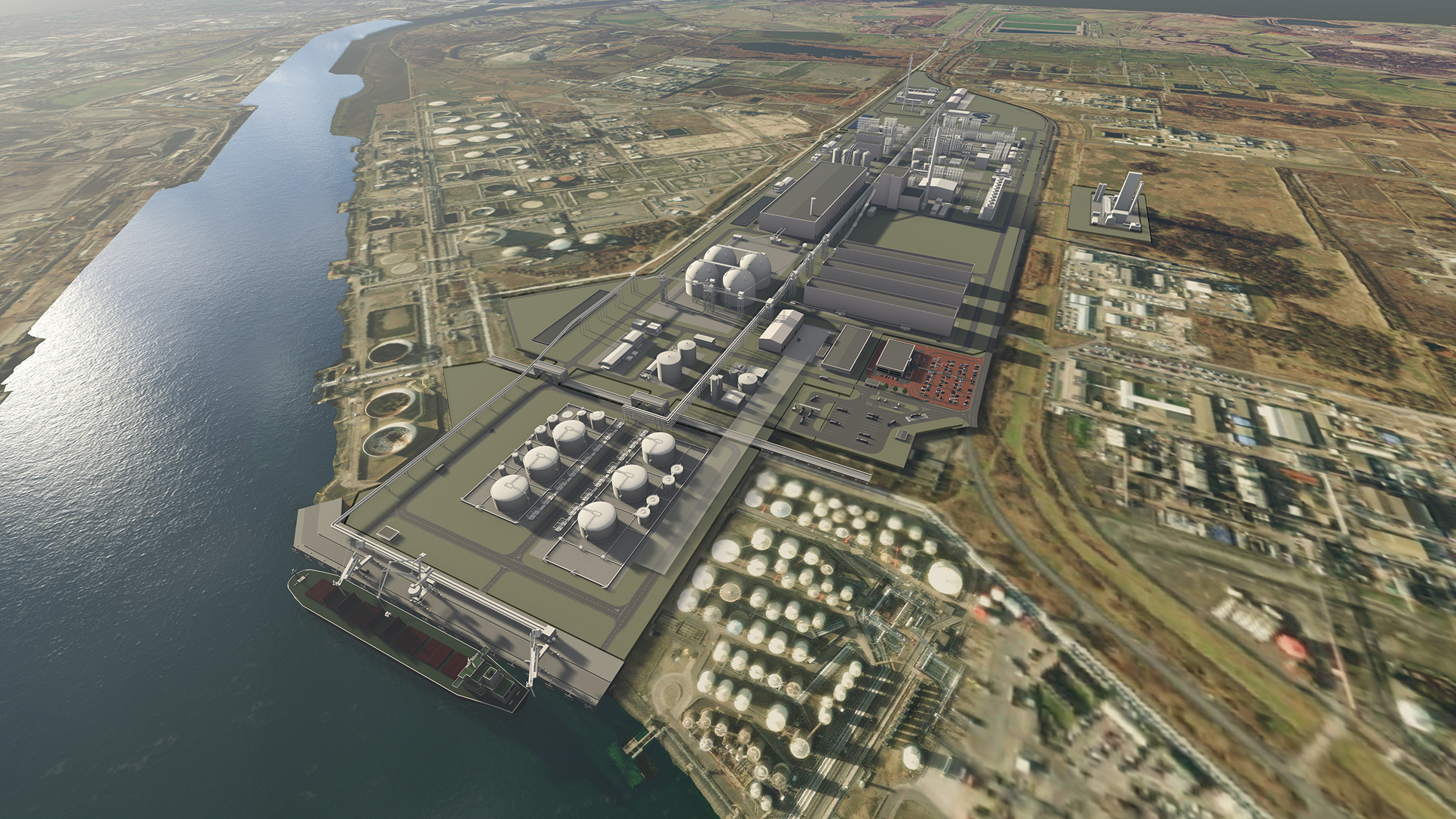
Lighthouse Green Fuels hosted a statutory consultation in December 2025 and January 2026 on its plans to produce sustainable aviation fuel (SAF) on Teesside, using sustainably-sourced biomass. Following feedback received and further design work, a small number of changes were identified, and a further targeted consultation was held in April and May.
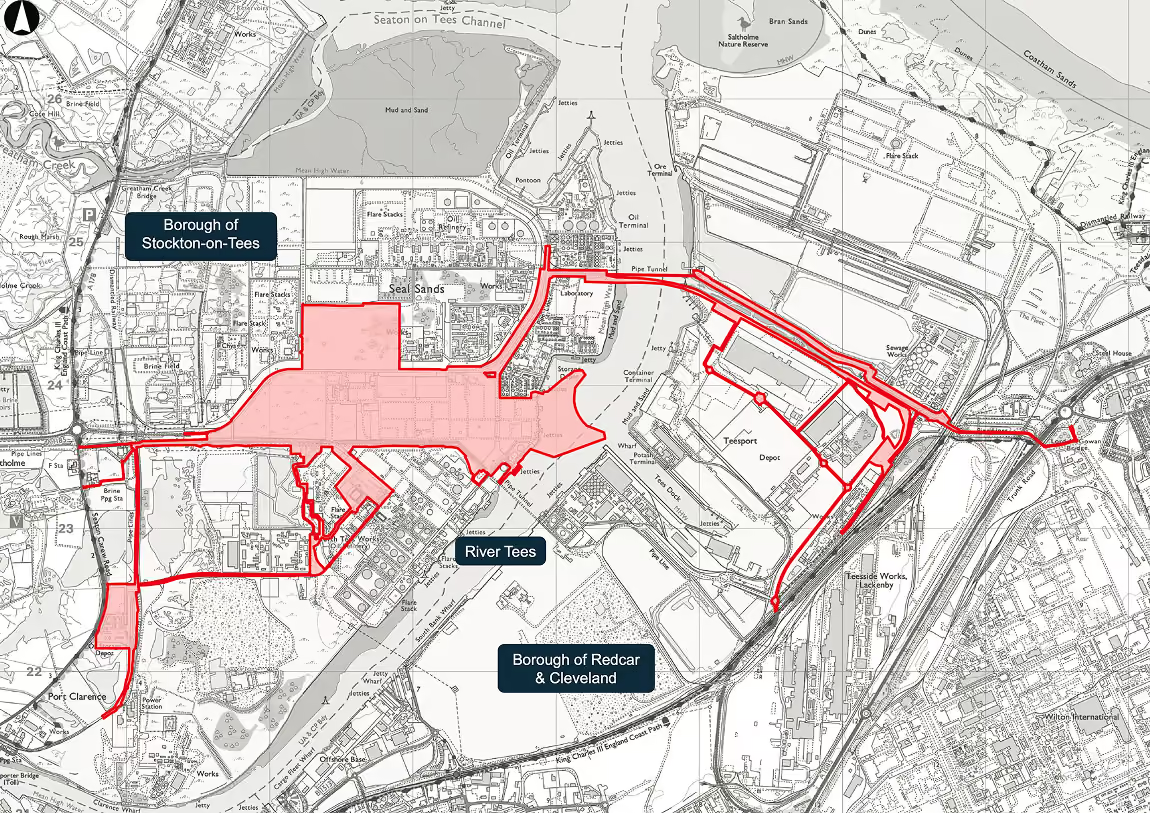
Under the proposals, the main SAF production facility would be located on the former INEOS Nitriles site in the industrial area of Seal Sands, in the borough of Stockton-on-Tees, while some utility corridors would extend into the neighbouring borough of Redcar & Cleveland.
The project is being developed by LGF Projects Limited, owned by the Alfanar Group, and is classed as a project of national significance, meaning it will be subject to the Development Consent Order (DCO) planning process with a final decision made by the Secretary of State for Energy Security and Net Zero.
This proposal replaces an earlier iteration of the project, also called Lighthouse Green Fuels, which was consulted on in 2024. The previous application has been formally withdrawn and is no longer being progressed. The new proposal reflects technical advancements and is considered a new project under planning legislation.
What has changed since our 2024 consultation?
Location: The proposed SAF facility will now be located approximately 500 metres north-east of the previous site. This new location has been chosen due to its suitability, size and proximity to necessary infrastructure to support SAF production. This will enable the full SAF production process to be accommodated in one location.
Feedstock: The new proposal will use sustainably-sourced biomass as its primary feedstock, replacing the previous plan to use municipal solid waste-derived feedstock (household waste). This feedstock is more reliable and supports greater carbon savings.
Our proposals at a glance
Over 1.5 million tonnes of sustainably-sourced biomass (including forestry and agricultural residues) processed per year
180 million litres of advanced SAF and approximately 30 million litres of renewable naphtha (a useful chemical byproduct) produced each year
Up to 350,000 tonnes of carbon dioxide emissions avoided per year compared with conventional aviation fuel. This is the equivalent of 4,500 conventionally-fuelled transatlantic flights from London to New York offset per year
Over 750,000 tonnes of carbon dioxide emissions could be avoided in future if the plant is coupled with carbon capture and storage infrastructure, with the possibility of carbon-negative SAF in the future
3,750 jobs supported across the UK during the first 3-years of operations, with 680 of those local to Teesside
Multibillion-pound investment in the UK
Key components of Lighthouse Green Fuels
Lighthouse Green Fuels will play a critical role in supporting the Government’s commitment to ensuring that 10% of UK aviation fuel is SAF by 2030 - and reaching net zero aviation by 2050.
The main project site encompasses an area of approximately 220 hectares in the industrial area of Seal Sands in the borough of Stockton on Tees. The majority is brownfield, formerly occupied by INEOS Nitriles chemical plant, a closed landfill site and undeveloped land.
Some utility corridors extend into the neighbouring borough of Redcar and Cleveland.
The proposed development includes infrastructure associated with SAF production, including treatment facilities, storage, a new quayside and utility connections, plus a biomass-fired combined heat and power (CHP) generating station with up to approximately 200MW generating capacity.
SAF is a safe, proven fuel that can reduce aviation’s carbon emissions by up to 80% compared with conventional jet fuel. LGF will produce this SAF using sustainably sourced biomass feedstocks which includes:
· Forest residues (such as treetops and pre-commercial thinnings)
· Sawmill residues (such as bark, offcuts and sawdust)
· Agricultural residues (such as sugarcane bagasse and sunflower husks)
· Waste wood will be used to power the on-site Combined Heat and Power (CHP) plant.
All the feedstocks used in LGF are classed as biogenic wastes and residues and must meet strict sustainability standards. More information about the SAF production process, including the feedstock, can be found in our consultation brochure.
Environmental Information
We are carrying out an Environmental Impact Assessment (EIA) to identify the potential effects that Lighthouse Green Fuels could have on the environment, people and local communities.
A Preliminary Environmental Information Report (PEIR) has been developed to outline our assessments of the potential impacts of Lighthouse Green Fuels carried out so far, including landscape and visual impact, biodiversity, marine, traffic noise, odour, flood risk and air quality.
More environmental information can be found in our consultation brochure, PEIR documents and PEIR non-technical summary.
A PEIR addendum was prepared to support the targeted consultation. This assesses the potential environmental effects of the proposed changes against the assessments presented in the original PEIR.
Key Milestones
Our statutory consultation ran for six weeks from Tuesday 2 December 2025 to Tuesday 13 January 2026. This was an opportunity for the public and stakeholders to view our plans, ask questions to the project team and provide feedback on our proposals.
The feedback received is now being analysed and collated into a consultation report, which will accompany a formal planning application to the Planning Inspectorate (PINS).
Meanwhile, a targeted consultation ran from Monday 13 April to Wednesday 13 May, with prescribed consultees and affected land interests able to provide feedback on a number of proposed changes.
As a Nationally Significant Infrastructure Project, the application for LGF will be examined by the Planning Inspectorate (PINS), who will then make a recommendation to the Secretary of State for the Department for Energy Security and Net Zero, who will decide on the outcome of the application.
The project is expected to follow the following stages:
- July 2026: Development Consent Order application submitted to the Planning Inspectorate
- August 2026: Acceptance of the Development Consent Order
- January to June 2027: Examination of the Development Consent Order
- December 2027: The Secretary of State will make a decision on whether to grant or refuse development consent
- 2028: Subject to receiving development consent, construction activity is expected to start, with the aim of commencing operations in 2030
Webinars
Three webinars were held as part of the consultation. You can view recordings of the webinars below:
Do you have unanswered questions?
You can explore the Lighthouse Green Fuels project in more detail through our comprehensive FAQs.
Contact us
You can contact the project team via [email protected] and 0800 157 7346.
Our phoneline is monitored Monday to Friday, 9:00 AM – 5:30 PM. Outside these hours, please leave a voicemail and we will return your call as soon as possible.
Document Library
Geoenvironmental Preliminary Risk Assessment