Lighthouse Green Fuels launches consultation on more than £2bn Teesside sustainable aviation fuel facility
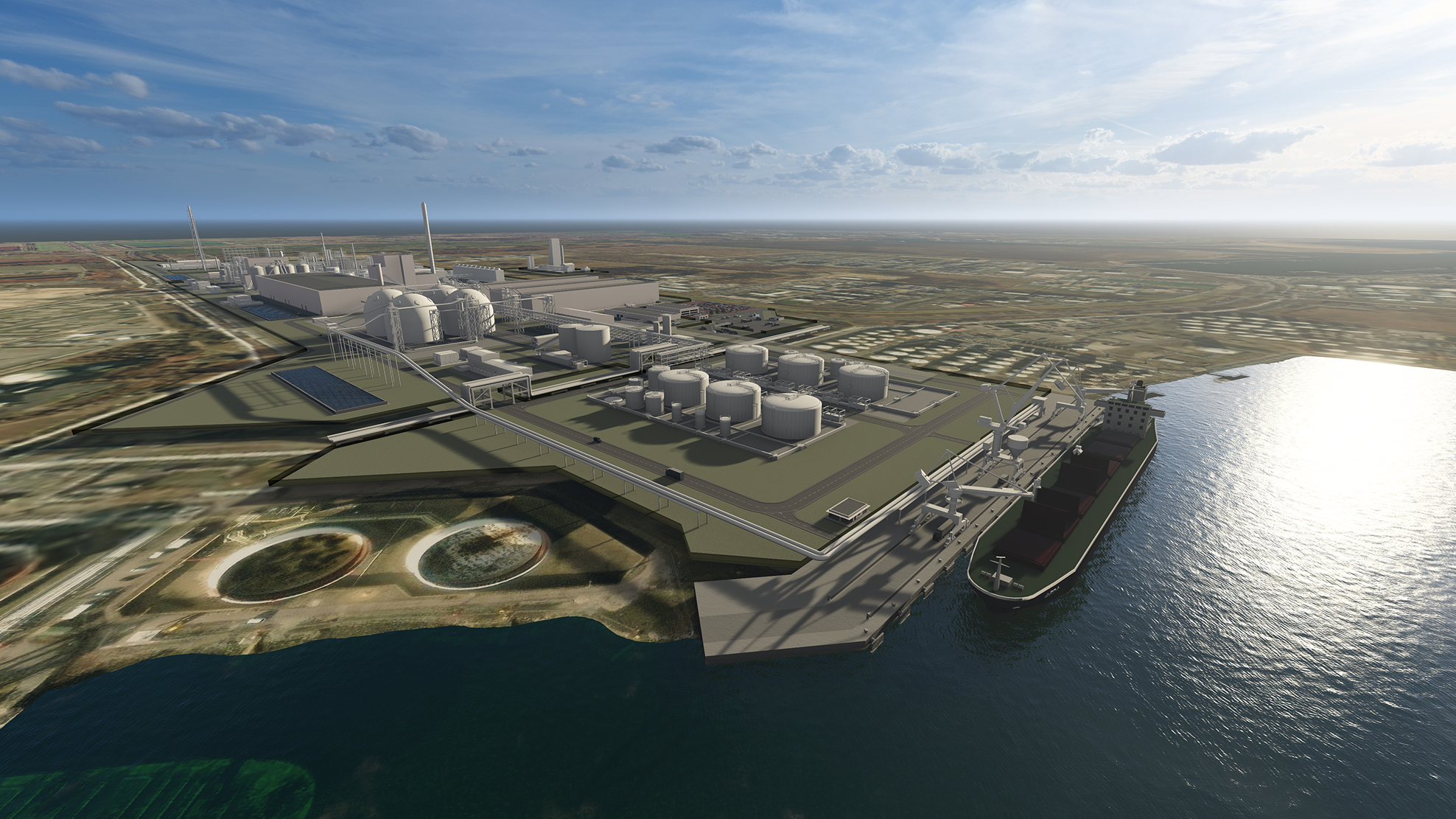
- Alfanar Group’s Lighthouse Green Fuels (LGF) Sustainable Aviation Fuel (SAF) facility on Teesside has today progressed to the public consultation phase of the Development Consent Order (DCO) process
- The £2bn project is expected to be the first commercial scale SAF facility of its kind in the UK and create 600 jobs on Teesside
- As a project of national significance, the consultation will inform the project’s final planning application, which is targeted for submission in Summer 2026.
- This follows recent news confirming LGF’s move to a new, neighbouring site in Teesside offering more space for on-site SAF processing and potential further expansion
The Lighthouse Green Fuels (LGF) Sustainable Aviation Fuel (SAF) facility in Teesside has today launched its public consultation which will run until Tuesday January 13 2026.
Feedback from the public and other stakeholders will inform the final application, which will be submitted to the Planning Inspectorate in Summer 2026 as a project of national significance requiring a DCO from the Secretary of State for Energy Security and Net Zero.
Located on a new site in the industrial area of Seal Sands, the £2bn LGF project will convert 1.5m tonnes of sustainably-sourced biomass into more than 180m litres of SAF, offsetting the equivalent carbon emissions of 4,500 transatlantic flights from London to New York.
SAF is a safe, proven fuel already in use today. More will be needed to meet the UK government’s targets for net zero domestic flights by 2040, and for all flights to achieve net zero by 2050.
The government’s SAF Mandate requires at least 10% of the UK aviation fuel mix to come from sustainable sources by 2030. Lighthouse Green Fuels is the most advanced SAF project of its kind in the UK and is projected to deliver 11% of the SAF Mandate’s requirement.
Following an earlier public consultation in May 2024, LGF has been updated to reflect technical advancements and strategic improvement:
- Site relocation: A new, enhanced site in Seal Sands, 500m from the previously-proposed Billingham site. The proposed facility offers closer access to critical infrastructure, including rail and shipping links, and enables the entire conversion process to take place on one site, from feedstock pre-treatment to storage.
- Change in feedstock: The project will now use sustainably-sourced biomass, including forestry and agricultural residues, as its primary feedstock to achieve greater carbon savings. This replaces the previous proposal which intended to use municipal solid waste derived feedstock
It is also located even closer to Teesside’s carbon capture and storage infrastructure, providing the opportunity for seamless integration into the network in future. This could mean CO2 savings from the SAF produced will more than double from 350,000 to 750,000 tonnes of per year.
LGF is expected to be the UK’s first commercial scale, second-generation SAF production facility.
Unlike first generation fuels, second-generation SAF uses non-edible, waste or residue-based feedstock, which avoids competition with food crops and supports environmental and ethical best practices.
This transformative project represents a more than £2 billion investment in the region and will:
- Create over 3,400 full-time equivalent jobs across the UK during operations, including up to 600 local jobs on Teesside
- Support £3.8 billion in UK-wide GVA and £750 million in Teesside GVA over 25 years
- Drive apprenticeships and skills development to upskill the local workforce and support long-term economic growth
Noaman Al Adhami, UK Country Head for Alfanar Projects, said:
“Launching this consultation marks an important milestone in accelerating our world-leading SAF investment, positioning Teesside at the centre of the UK’s fast-growing synthetic fuels sector”.
“Delivering for the local area is a central to LGF’s mission. Our project will generate significant economic benefits, creating up to 2,000 jobs during construction, 300 permanent roles once operations, and 3,400 supply chain positions nationwide.
We’re committed to reindustrialising Teesside and ensuring that local workers can transition from fossil fuel-based industries to work in future-facing facilities like ours”.
%20-%20WDN%202.jpg)

Stay Updated on the Journey to Jet Zero
Follow the latest developments from Lighthouse Green Fuels as we progress one of the world's most advanced Sustainable Aviation Fuel facilities in Teesside.